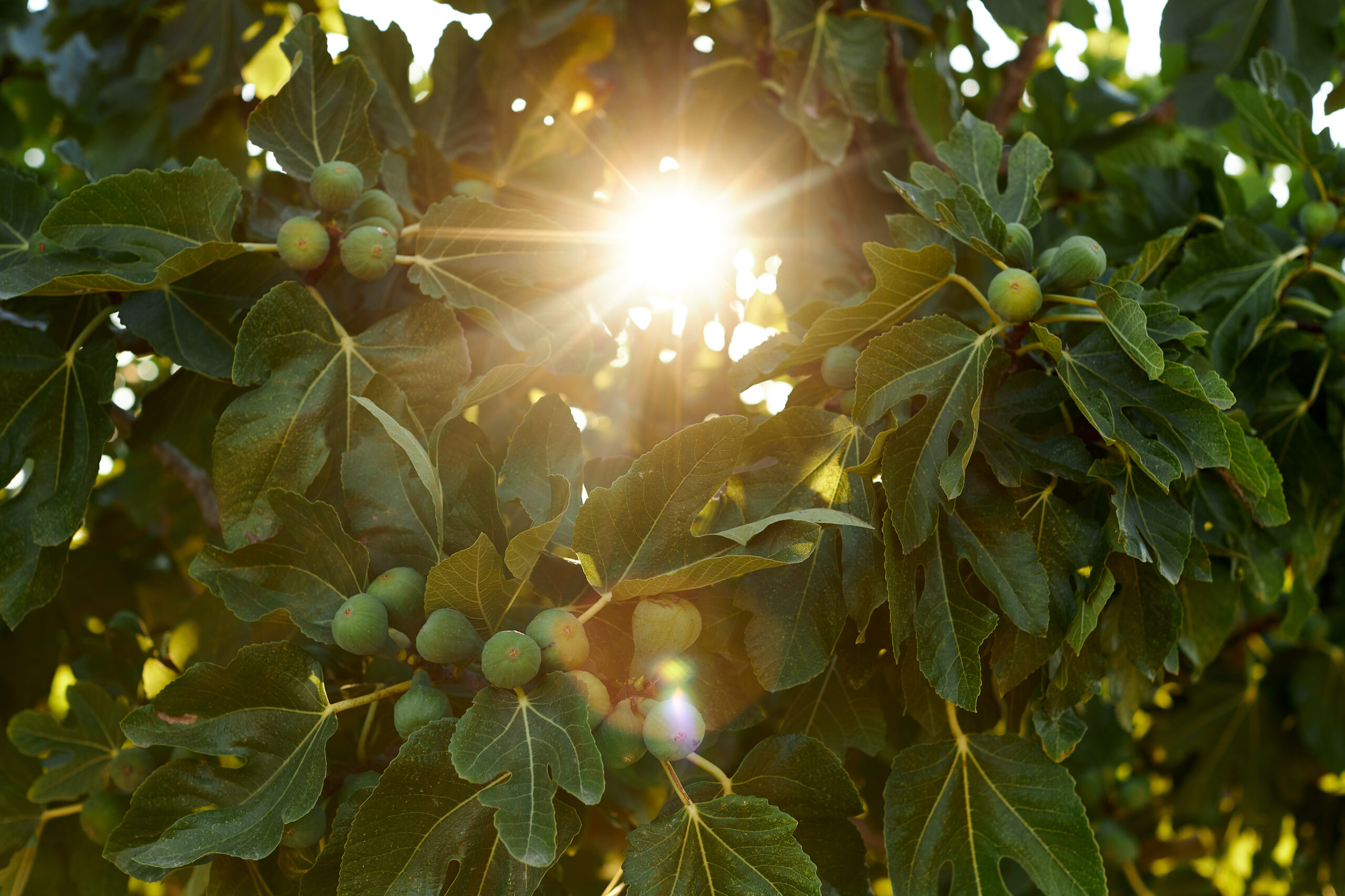
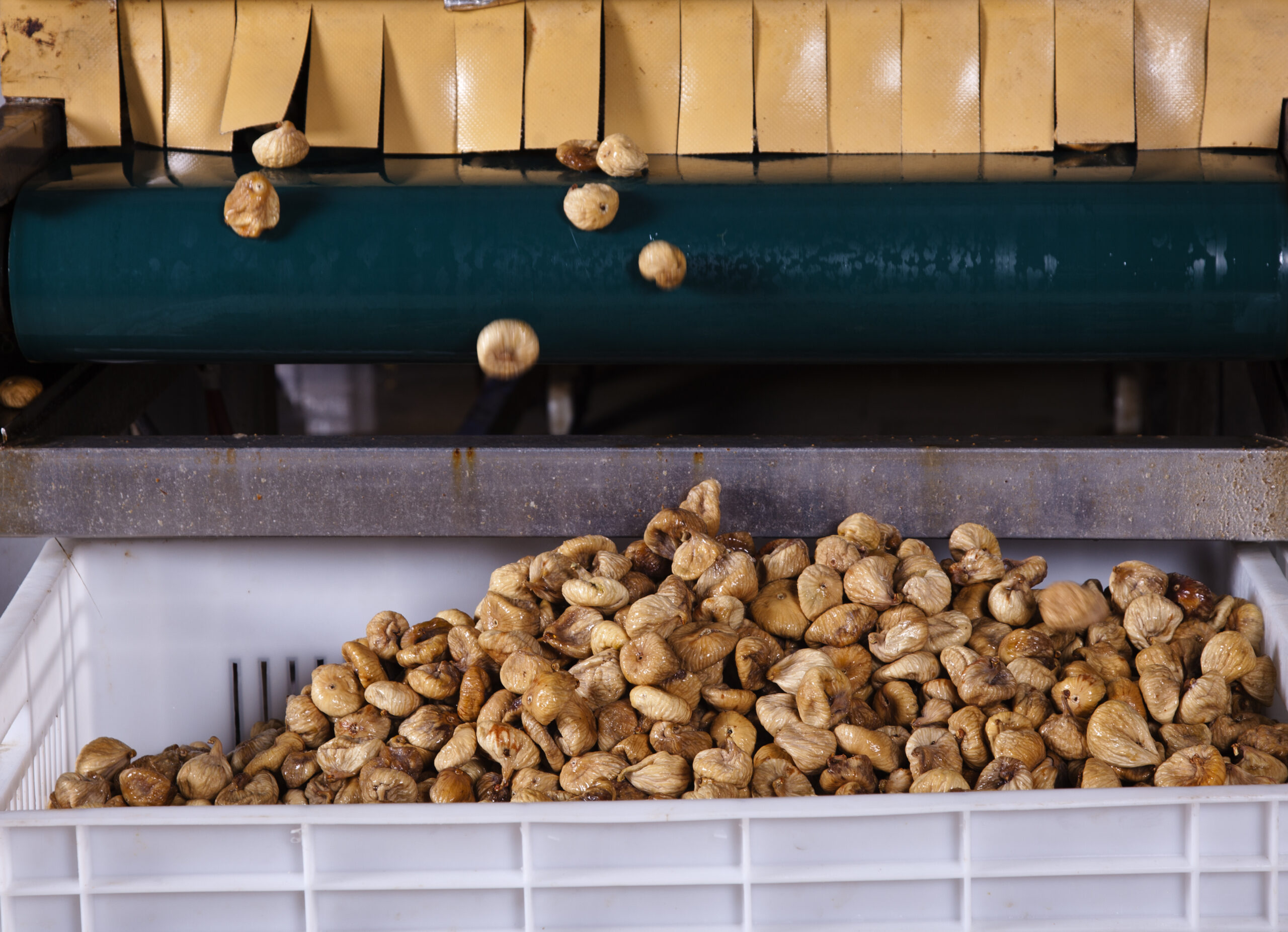
All dried figs may look similar at a glance, but origin quietly shapes everything that follows.
From texture to sweetness to shelf stability, where a fig grows determines how it behaves long after harvest. Yet origin is often reduced to a single line on the back of a package.
That simplification hides the most important part of the story.
yeni yazı içeriği
Figs Are Extremely Sensitive to Environment
Unlike many fruits, figs respond dramatically to their surroundings.
Temperature swings, humidity levels, soil composition, and sunlight exposure all influence how figs develop sugars and structure. Even small changes in climate can alter how a fig dries later on.
Regions with predictable weather allow figs to mature evenly. In less stable climates, figs often require heavier processing to achieve consistency.
Nature either does the work or machinery does.
Climate Shapes Texture Before Drying Begins
Softness in dried figs does not come from processing alone. It begins on the tree.
Figs grown under steady heat develop thinner skins and softer interiors. This allows them to dry without becoming rigid or brittle.
When figs grow under stress excess moisture, abrupt temperature changes their skins thicken. Drying then requires more force, often compromising texture.
The difference is noticeable from the first bite.
Soil Is the Ingredient You Can’t Add Later
Soil composition influences mineral uptake, which in turn affects flavor complexity.
Mineral-rich soils contribute subtle depth and aroma. Poor soils produce flatter, more one-dimensional sweetness.
This is why figs from traditional growing regions maintain consistent character year after year. Soil quality is cumulative. It cannot be replicated through processing.
Harvest Timing Is a Strategic Decision
Harvesting figs is a balancing act.
Early harvest yields firmer figs with restrained sweetness. Late harvest produces sweeter figs that are more fragile and harder to handle.
Experienced producers choose timing carefully, often sacrificing yield to protect texture and consistency.
This decision alone can define whether a fig feels refined or coarse.
Drying Methods Depend on Origin
Drying is not a universal process.
Figs from ideal climates can dry slowly and naturally. Others require temperature control, airflow management, or mechanical assistance.
The more intervention required, the greater the risk of losing subtle flavor notes.
Origin determines how gentle the drying process can be.
Shelf Stability Is Not Just About Preservation
Well grown figs naturally retain moisture balance, allowing them to stay stable without heavy preservatives.
This results in figs that:
- Remain soft over time
- Develop flavor rather than dulling
- Age gracefully rather than degrading
Shelf stability achieved through processing alone rarely delivers the same result.
Why Origin Transparency Matters
Brands that clearly explain where their figs come from are rarely doing so by accident.
Transparency usually signals:
- Confidence in sourcing
- Long term supplier relationships
- Commitment to consistency
Vagueness often indicates flexibility driven by cost rather than quality.
Origin Is Not a Claim It’s a Commitment
Saying where figs come from is easy. Standing by that origin year after year requires discipline.
For consumers, understanding origin transforms dried figs from a generic snack into a product with character.
Once you experience the difference, it becomes difficult to go back.
A Final Thought
When dried figs taste better, it’s rarely because of what was added.
It’s usually because of what was respected from the start.